

Your credit score is one of the most important numbers in your financial life. When you apply for a credit card, personal loan, mortgage, car financing, or even rent an apartment, lenders often use your credit score to assess your financial reliability.
The good news is that you can improve your credit score without taking years. While there are no easy shortcuts, certain strategies can help raise your score faster than you might think.
In 2026, credit scoring models continue to change, but the basics remain unchanged. Payment history, credit usage, account age, and responsible borrowing behavior are still key factors in determining your creditworthiness.
If you want to qualify for better loan rates, premium rewards credit cards, or strengthen your financial profile, this guide will show you how to quickly and sustainably improve your credit score.
What Is a Credit Score?
A credit score is a number that reflects your creditworthiness based on your borrowing and repayment history.
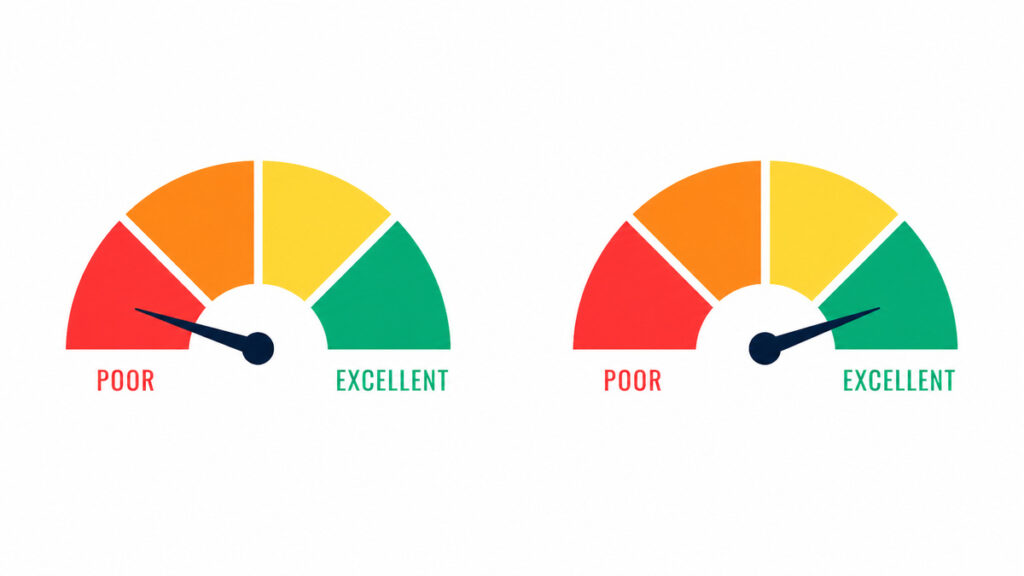
Most credit scoring systems use a range like this:
| Credit Score | Rating |
|---|---|
| 800+ | Exceptional |
| 740-799 | Very Good |
| 670-739 | Good |
| 580-669 | Fair |
| Below 580 | Poor |
Higher scores generally result in:
- Lower interest rates
- Better loan approval odds
- Higher credit limits
- Better credit card offers
- Easier mortgage qualification
Even a small increase in your credit score can save you thousands of dollars over your lifetime.
Why Your Credit Score Matters More Than Ever in 2026
Financial institutions are increasingly data-driven.
Today, your credit profile affects more than just borrowing.
A strong credit score may help with:
- Mortgage approvals
- Auto financing
- Personal loans
- Business funding
- Premium credit cards
- Apartment applications
- Insurance pricing in some areas
A higher score often leads to lower borrowing costs and more financial flexibility.
This is why improving your score is one of the best financial moves you can make.
How Credit Scores Are Calculated
Before you improve your score, it’s important to know what affects it.
1. Payment History (Most Important)
This measures whether you pay bills on time.
Late payments, collections, defaults, and bankruptcies can seriously hurt your score.
2. Credit Utilization
This is the percentage of your available credit that you are currently using.
For example:
- Credit limit: $10,000
- Balance: $2,000
Utilization = 20%
Lower utilization usually helps your score.
3. Length of Credit History
Older accounts show long-term credit management experience.
4. Credit Mix
Lenders prefer seeing responsible management of different types of credit.
Examples include:
- Credit cards
- Auto loans
- Mortgages
- Personal loans
5. New Credit Applications
Too many recent applications can temporarily lower your score.
Understanding these factors helps you focus on actions that lead to the fastest improvements.
10 Proven Ways to Improve Your Credit Score Fast in 2026
1. Pay Every Bill on Time
If you only take away one piece of advice from this article, let it be this one.
Payment history is the most important factor in most credit scoring models.
Even one missed payment can harm your score.
How to Never Miss a Payment
- Set up automatic payments
- Create calendar reminders
- Use banking alerts
- Schedule payments before the due date
Consistency is crucial.
Lenders need proof that you can manage debt responsibly month after month.
2. Lower Your Credit Utilization Ratio
Credit utilization is often one of the quickest factors you can improve.
Experts generally recommend keeping utilization below:
- 30% at a minimum
- 10% for the best results
Example
Suppose you have:
- Credit limit: $5,000
- Balance: $4,000
Your utilization is 80%.
Paying that balance down to $500 lowers utilization to 10%, which can quickly benefit your score.
Fast Ways to Reduce Utilization
- Pay down balances quickly
- Make multiple payments each month
- Avoid large purchases for now
- Request a credit limit increase
Lower utilization indicates less risk to lenders.
3. Check Your Credit Report for Errors
Credit reporting mistakes are more common than many consumers think.
Common errors include:
- Incorrect balances
- Duplicate accounts
- Fraudulent accounts
- Incorrect payment history
- Identity theft issues
Even small errors can negatively affect your score.
What to Review
Check your report for:
- Accuracy of personal information
- Account balances
- Payment history
- Credit inquiries
- Closed accounts
If you find errors, dispute them immediately with the appropriate credit bureau.
Removing false negative information can lead to fast improvements.
4. Avoid Applying for Too Much New Credit
Every time you apply for new credit, a lender may perform a hard inquiry.
A few inquiries usually aren’t a problem.
However, many applications in a short time can raise red flags.
Lenders may see excessive applications as a sign of financial stress.
Best Practice
Only apply for:
- Credit cards you actually need
- Loans with a clear purpose
- Products that suit your credit profile
Being selective protects your score.
5. Keep Older Accounts Open
Many consumers mistakenly close old credit cards after paying them off.
This can hurt your score.
Why?
Because older accounts contribute to your average credit age.
A longer credit history generally boosts lender confidence.
Before Closing an Account
Consider:
- Annual fees
- Benefits
- Impact on utilization
- Impact on account age
If the card has no annual fee, keeping it open is often the better choice.
6. Become an Authorized User
One lesser-known way to improve your credit profile is to become an authorized user on someone else’s credit card.
This works well when:
- The main cardholder has an excellent payment history
- The account is several years old
- Credit utilization is low
The positive account history may help strengthen your credit profile.
However, choose carefully.
A poorly managed account can hurt instead.
7. Pay Down High-Interest Debt First
High-interest debt often causes financial stress and increases credit utilization.
Focus on paying off balances with the highest interest rates.
Benefits include:
- Lower utilization
- Less interest paid
- Faster debt payoff
- Improved cash flow
The quicker you reduce balances, the stronger your credit profile becomes.
8. Request a Credit Limit Increase
Increasing your available credit can reduce utilization without requiring extra payments.
Example
Before:
- Limit: $5,000
- Balance: $2,000
- Utilization: 40%
After Increase:
- Limit: $10,000
- Balance: $2,000
- Utilization: 20%
The lower ratio may help your score.
Important
Only request an increase if you can resist spending more.
The goal is lower utilization—not more debt.
9. Settle Collection Accounts Strategically
Collection accounts can seriously harm credit scores.
If you have collections:
- Verify that the debt is legitimate
- Negotiate payment terms
- Request written agreements
- Keep records of all communications
Resolving outstanding collections can improve your financial profile and lender perception.
10. Use Credit Responsibly Every Month
Credit scoring systems reward consistent, responsible behavior.
Good habits include:
- Paying on time
- Keeping balances low
- Avoiding maxed-out cards
- Monitoring reports regularly
Building credit isn’t just about borrowing more.
It’s about managing borrowed money responsibly.
Common Credit Score Mistakes to Avoid
Many people unintentionally slow their progress.
Avoid these mistakes:
Missing Minimum Payments
Even one missed payment can be costly.
Maxing Out Credit Cards
High utilization indicates risk.
Closing Old Accounts
This may shorten your average credit history.
Applying for Multiple Cards at Once
Too many inquiries can lower your score.
Ignoring Credit Reports
Errors can go unnoticed for years.
How Fast Can Your Credit Score Improve?
The timeline depends on your situation.
Minor Issues
If your main problem is high utilization, you might see improvements within weeks after balances are reported.
Moderate Issues
You may need several months of consistent payments.
Serious Negative Marks
Collections, defaults, or bankruptcies can take much longer to overcome.
The key is consistency.
Credit improvement is usually a process rather than a single event.
Best Credit Habits for Long-Term Success
Once you improve your score, keeping it steady should be your priority.
Follow these habits:
- Pay every bill on time
- Keep utilization below 10-30%
- Review credit reports regularly
- Limit unnecessary applications
- Keep older accounts open
- Build an emergency fund
- Avoid excessive debt
Strong credit is built through consistent behavior over time.
Frequently Asked Questions (FAQs)
1. How Can I Improve My Credit Score Fast in 2026?
The quickest way to improve your credit score is to pay down credit card balances, keep your credit use below 30%, make all payments on time, and check your credit report for mistakes. These actions can quickly improve your credit profile.
2. What Is a Good Credit Score in 2026?
A credit score of 670 or higher is generally seen as good, while scores above 740 are viewed as very good. An excellent credit score is usually 800 or above.
3. Can I Raise My Credit Score by 100 Points?
Yes, it’s possible depending on why your score is low. Paying off high credit card balances, fixing reporting errors, and building a history of on-time payments can sometimes lead to big improvements.
4. How Long Does It Take to Improve a Credit Score?
Some people notice improvements within a few weeks after lowering their credit use. More serious credit problems, like missed payments or collections, may take several months or longer to fix.
5. Does Checking My Credit Score Hurt My Credit?
No. Checking your own credit score is a soft inquiry and does not affect your score. Regular monitoring can actually help you find errors and keep track of progress.
6. What Hurts a Credit Score the Most?
The biggest factors that can hurt your score include late payments, high credit card balances, collection accounts, loan defaults, bankruptcy, and several hard credit inquiries in a short period.
7. Does Paying Off Credit Card Debt Improve Credit Scores?
Yes. Paying off credit card debt lowers your credit use ratio, which is one of the most important factors in most credit scoring models.
8. What Credit Utilization Ratio Is Best for a High Credit Score?
Financial experts usually recommend keeping your utilization below 30%, while staying below 10% is often best for achieving the highest credit scores.
9. Can Closing a Credit Card Hurt My Credit Score?
Yes, it can. Closing a card may lower your available credit and increase your use ratio. It can also affect the average age of your credit accounts.
10. How Can I Improve My Credit Score Before Applying for a Mortgage?
Focus on paying down debt, reducing credit use, avoiding new credit applications, fixing errors on your credit report, and keeping a perfect payment history for several months before applying.
11. Can a Good Credit Score Help Me Get Better Loan Rates?
Absolutely. Borrowers with higher credit scores often qualify for lower interest rates, better loan terms, and higher approval chances for mortgages, auto loans, and personal loans.
12. What Are the Best Credit Score Improvement Tips for Beginners?
The best strategies include paying every bill on time, keeping credit card balances low, checking your credit report regularly, avoiding unnecessary debt, and maintaining older credit accounts whenever possible.
Final Thoughts
Improving your credit score quickly in 2026 doesn’t require complicated tricks or risky moves. The most effective way is to focus on the factors that matter most: payment history, credit use, credit age, and responsible credit management.
Whether you’re getting ready to apply for a mortgage, qualify for a personal loan, get approved for a premium credit card, or simply want to strengthen your financial future, a higher credit score can lead to better opportunities and lower borrowing costs.
Start by paying your bills on time, reducing outstanding balances, checking your credit report, and avoiding unnecessary credit applications. These simple habits can lead to real improvements in your credit score over time.
Remember, building good credit takes time. Every smart financial choice you make today helps create a better credit profile for tomorrow.
A better credit score doesn’t just improve your borrowing power—it boosts your overall financial freedom.
Written by Finphantix