

Managing your finances is more important than ever. With rising living costs, inflation, and increasing expenses, many people seek practical ways to keep more money. The good news is that saving money does not require a high income or extreme sacrifices. Small changes in daily habits can lead to significant savings over time.
If you have ever wondered how to save money, this guide will walk you through proven strategies that work in 2026. Whether you want to build an emergency fund, reduce financial stress, or achieve long-term goals, these smart saving techniques can help you reach your objectives.
Why Saving Money Matters More Than Ever
Financial security is not just about earning the highest salary. It is about keeping more of what you earn and using it wisely.
Saving money can help you:
- Build an emergency fund
- Reduce debt faster
- Handle unexpected expenses
- Reach financial goals
- Invest for the future
- Gain greater peace of mind
The earlier you start saving, the easier it becomes to build long-term wealth.
How to Save Money by Understanding Your Spending Habits
Before you can improve your finances, you need to know where your money is going.
Track your expenses for at least one month. Review bank statements, credit card transactions, and cash spending. Most people are surprised to see how much they spend on small purchases that seem insignificant.
Common money leaks include:
- Food delivery services
- Unused subscriptions
- Impulse shopping
- Daily coffee purchases
- Premium memberships
Identifying these expenses is often the first step in learning how to save money effectively.
How to Budget Money the Smart Way
One of the most important financial skills is learning how to budget money.
A budget gives every dollar a purpose and helps prevent overspending.
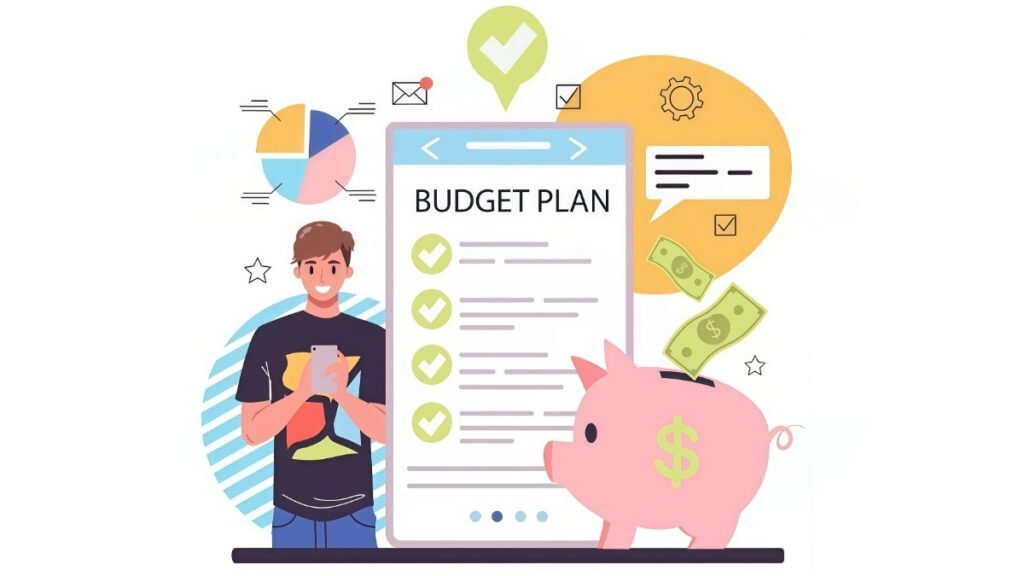
Try the 50/30/20 Rule
A simple budgeting strategy is:
- 50% for needs
- 30% for wants
- 20% for savings and investments
For example, if you earn $3,000 per month:
- $1,500 for necessities
- $900 for lifestyle expenses
- $600 for savings
This approach helps create balance while still allowing room for enjoyment.
Use Budgeting Apps
Many budgeting tools can automatically track expenses and categorize spending. This makes budgeting easier and more accurate.
15 Practical Ways to Save Money in 2026
If you are searching for effective ways to save money, start with these proven strategies.
1. Automate Your Savings
Set up automatic transfers to your savings account each payday.
When saving happens automatically, you are less likely to spend the money.
2. Create Specific Savings Goals
People save more successfully when they have a clear purpose.
Examples include:
- Emergency fund
- Vacation
- New car
- Home purchase
3. Reduce Subscription Costs
Review all monthly subscriptions.
Cancel services you rarely use.
4. Cook More Meals at Home
Eating out frequently can take a large portion of your income.
Meal planning often saves hundreds of dollars each month.
5. Shop With a List
Shopping without a plan often leads to impulse purchases.
Always make a list before visiting stores.
6. Buy Generic Brands
Many generic products offer similar quality at lower prices.
7. Use Cashback Programs
Cashback rewards can lower overall spending when used responsibly.
8. Compare Prices Before Buying
Always compare prices from several retailers before making major purchases.
9. Avoid Lifestyle Inflation
As income increases, many people increase spending.
Instead, direct raises and bonuses toward savings.
10. Buy Quality Products
Higher-quality items often last longer and cost less over time.
11. Limit Impulse Purchases
Wait 24 hours before buying non-essential items.
12. Negotiate Bills
Many providers offer discounts if you ask.
13. Use Public Transportation
Transportation costs can significantly impact your budget.
14. Refinance High-Interest Debt
Lower interest rates can free up extra cash each month.
15. Review Expenses Monthly
Regular financial reviews help identify new opportunities to save.
These are some of the most effective money saving tips anyone can start using right away.
How to Save Money Fast When You Need Immediate Results
Sometimes you need savings quickly.
If you are looking for how to save money fast, focus on high-impact actions.
Sell Unused Items
Many households contain hundreds or even thousands of dollars worth of unused belongings.
Pause Non-Essential Spending
Consider temporarily reducing:
- Entertainment expenses
- Dining out
- Luxury purchases
Increase Short-Term Income
Freelancing, side gigs, and part-time work can accelerate savings.
Redirect Windfalls
Use tax refunds, bonuses, and gifts to boost savings instead of increasing spending.
These methods can help anyone learn how to save money fast without making permanent lifestyle changes.
How to Save Money on a Low Income
Many people believe saving is impossible with limited earnings. However, learning how to save money on a low income is often about maximizing efficiency instead of earning more.
Start Small
Even saving a small amount regularly creates momentum.
A consistent habit matters more than the initial amount.
Prioritize Essentials
Focus spending on:
- Housing
- Utilities
- Food
- Transportation
Reduce spending on non-essential items whenever possible.
Use Community Resources
Take advantage of:
- Public libraries
- Free events
- Community programs
Build an Emergency Fund Gradually
Aim for your first $500 emergency fund milestone.
Small victories encourage long-term consistency.
Remember that financial progress is measured by habits, not income level alone.
How to Stop Spending Money Unnecessarily
Understanding how to stop spending money is just as important as earning more.
Identify Emotional Spending Triggers
Many purchases are driven by emotions rather than necessity.
Common triggers include:
- Stress
- Boredom
- Social pressure
Remove Shopping Temptations
Consider:
- Unsubscribing from promotional emails
- Removing saved payment methods
- Limiting shopping app notifications
Use the 30-Day Rule
For larger purchases, wait 30 days before buying.
This simple habit can dramatically reduce unnecessary spending.
Focus on Long-Term Goals
When you connect spending decisions to future goals, saving becomes easier.
Best Money Saving Apps in 2026
Technology can simplify financial management.
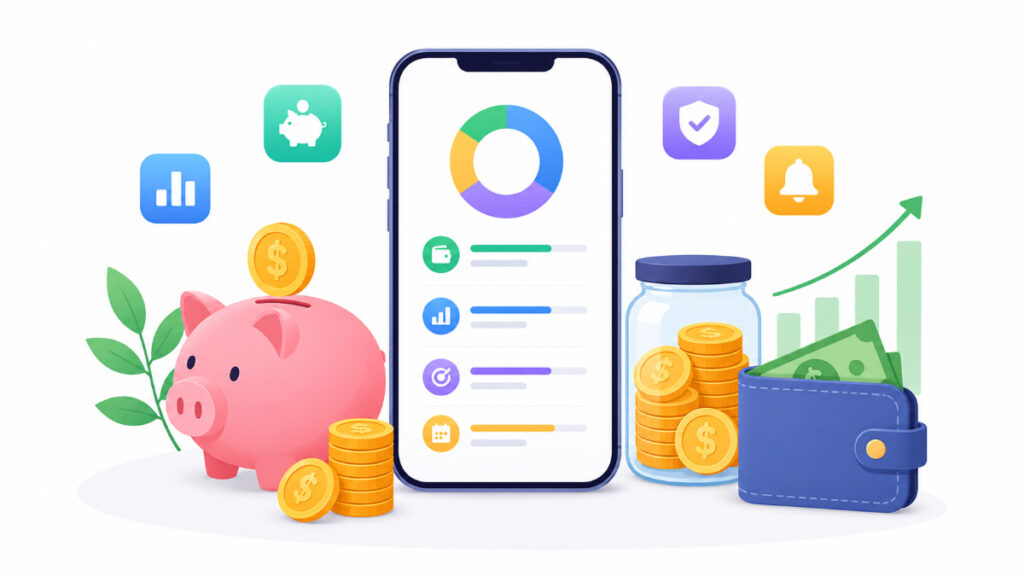
1. YNAB (You Need A Budget)
YNAB helps users assign every dollar a purpose, making it one of the most effective tools for anyone learning how to budget money. The app focuses on proactive budgeting and long-term financial planning.
2. Rocket Money
Rocket Money automatically tracks subscriptions, monitors recurring expenses, and helps identify unnecessary spending. It’s especially useful if you’re trying to learn how to stop spending money on services you rarely use.
3. PocketGuard
PocketGuard shows exactly how much money is safe to spend after bills, savings, and essential expenses. It’s ideal for people searching for how to save money every month without creating a complicated budget.
4. Goodbudget
Based on the envelope budgeting method, Goodbudget helps users divide income into spending categories. It’s a simple solution for anyone looking for effective money saving tips and better spending habits.
5. Monarch Money
Monarch Money combines budgeting, investment tracking, and financial planning in one dashboard. It is popular among users looking for long-term ways to save money and build wealth.
Should You Use a Money Saving App?
A budgeting app won’t make you rich overnight, but it can help you:
- Track expenses automatically
- Build better financial habits
- Reduce unnecessary spending
- Create realistic savings goals
- Learn how to save money fast through consistent tracking
The best app is the one you’ll actually use every day. With the strategies in this guide, these tools can make how to save money on a low income much easier and more manageable.
Frugal Living Tips That Actually Work
Many people misunderstand frugal living.
Being frugal does not mean being cheap.
Instead, it means maximizing value.
These frugal living tips can help lower expenses without sacrificing quality of life.
Buy Used When Appropriate
Furniture, books, and electronics can often be purchased at significant discounts.
Learn Basic DIY Skills
Simple home repairs can save substantial amounts over time.
Borrow Instead of Buying
Many items are rarely used enough to justify owning.
Reduce Energy Usage
Small adjustments can lower utility bills consistently.
Focus on Value
Spend intentionally on things that truly improve your life.
How to Save Money Every Month Consistently
The secret to long-term financial success is learning how to save money every month.
Consistency beats intensity.
Pay Yourself First
Treat savings like a mandatory bill.
Save before spending.
Set Monthly Savings Targets
Having specific goals improves accountability.
Increase Savings Gradually
Whenever your income rises, increase your savings rate.
Review Progress Regularly
Monthly reviews help maintain motivation and identify opportunities for improvement.
The goal is not perfection but steady progress.
30-Day Money Saving Challenge for Beginners
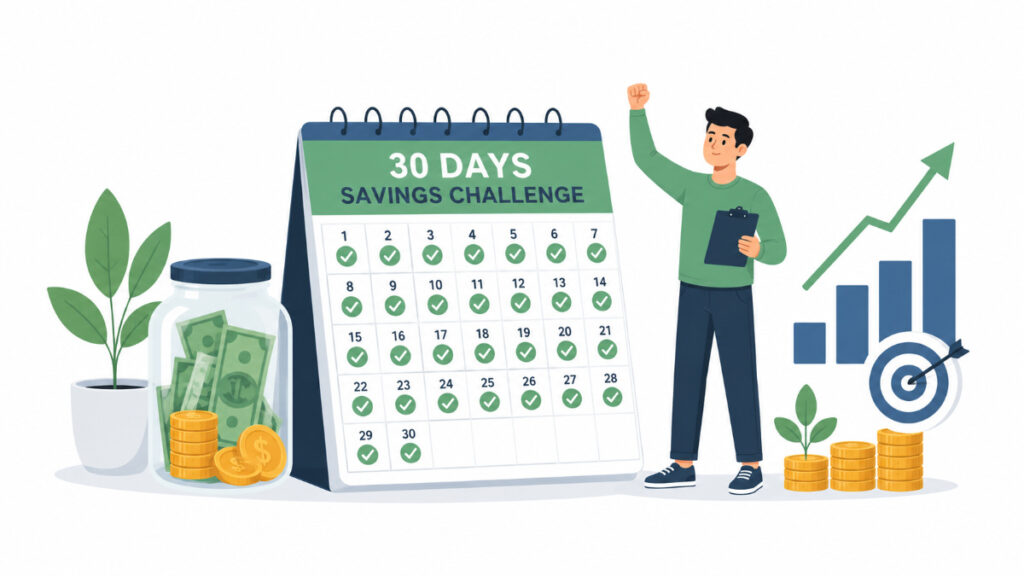
If you are serious about learning how to save money, a 30-day challenge can help you build momentum quickly. The goal is not perfection; it’s consistency.
Week 1: Track Every Expense
For the first seven days, write down every purchase you make. This simple exercise reveals spending patterns and shows opportunities for improvement.
Week 2: Cut One Unnecessary Expense
Choose one expense that adds little value to your life and eliminate it for the rest of the month.
Examples include:
- Unused subscriptions
- Daily takeaway coffee
- Impulse online shopping
This is one of the easiest ways to save money without making major lifestyle changes.
Week 3: Increase Your Savings Rate
Transfer a fixed percentage of your income into savings before spending anything else.
Even saving 5% to 10% of your income can make a noticeable difference over time.
Week 4: Create a Long-Term Plan
Review your progress and establish a system for how to save money every month moving forward.
The key is turning short-term actions into long-term habits.
Biggest Money Saving Mistakes That Keep People Broke
Many people work hard to save money but unknowingly make mistakes that slow their progress.
Not Having a Budget
One of the biggest financial mistakes is failing to learn how to budget money effectively.
Without a budget, it becomes difficult to control spending or achieve savings goals.
Ignoring Small Expenses
Small daily purchases may seem harmless, but they can add up significantly over a year.
Tracking every expense helps identify hidden money leaks.
Lifestyle Inflation
As income increases, many people automatically increase spending.
Instead of upgrading your lifestyle immediately, direct a portion of every raise toward savings and investments.
Depending on Credit Cards
Using credit cards without a repayment plan can create expensive debt.
High-interest balances often make it harder to achieve financial goals.
Saving Only What Is Left Over
Successful savers do not save what remains after spending.
They save first and spend what remains.
This simple shift can dramatically improve your financial future.
How to Build a Savings Plan for Every Financial Goal
The best savings strategy depends on what you are trying to achieve.
Emergency Fund
Your first goal should be building an emergency fund that covers at least three to six months of essential expenses.
This provides protection against unexpected financial setbacks.
Saving for a Home
If you are planning to buy a house, create a dedicated savings account for your down payment.
Automated transfers can help you reach your target faster.
Saving for Travel
Travel becomes more affordable when you save gradually throughout the year.
Many travelers set aside a small amount each month rather than paying for trips all at once.
Retirement Savings
Long-term investing is one of the most powerful forms of saving.
The earlier you start, the more time your money has to grow.
Saving on a Limited Income
If you are learning how to save money on a low income, focus on consistency rather than large amounts.
Even small monthly contributions can create meaningful progress over time.
Remember that successful saving is not about perfection. It is about creating a system that works for your income, lifestyle, and financial goals.
Common Saving Mistakes to Avoid
Many people unintentionally sabotage their financial goals.
Avoid these mistakes:
- Not having a budget
- Ignoring small expenses
- Relying on credit cards
- Saving inconsistently
- Chasing quick financial fixes
Long-term success comes from discipline and consistency.
Common Questions About How to Save Money
What Is the Fastest Way to Start Saving Money?
If you are wondering how to save money fast, start by identifying unnecessary expenses and redirect that money into a savings account. Cancel unused subscriptions, reduce dining-out expenses, and automate your savings. Even small changes can produce noticeable results within a few months.
What Are the Best Ways to Save Money Every Month?
Some of the most effective ways to save money include creating a budget, meal planning, avoiding impulse purchases, and setting automatic savings transfers. These simple habits can help you save money every month without feeling deprived.
Can I Save Money Even With a Low Income?
Absolutely. Learning how to save money on a low income starts with prioritizing essential expenses and tracking every dollar. Consistent saving, even in small amounts, can lead to significant financial progress over time.
How Do I Create a Budget That Actually Works?
The first step in understanding how to budget money is knowing your income and expenses. Use a budgeting method such as the 50/30/20 rule and review your spending monthly to stay on track.
What Are the Best Money Saving Apps in 2026?
Some of the best money saving apps offer budgeting tools, expense tracking, savings automation, and financial goal monitoring. The best app is the one that helps you stay consistent with your saving habits.
How Can I Stop Spending Money on Unnecessary Things?
If you’re trying to learn how to stop spending money, create a shopping list before purchases, avoid emotional spending, and use waiting periods before buying non-essential items. These strategies help reduce impulse spending and improve financial discipline.
Do Frugal Living Habits Really Work?
Yes. Many frugal living tips focus on reducing waste, increasing value, and spending intentionally. Frugal living is not about deprivation; it’s about making smarter financial choices.
Final Thoughts
Learning how to save money is one of the most valuable financial skills you can develop. Whether you are searching for ways to save money, looking for money saving tips, trying to understand how to save money fast, or figuring out how to save money on a low income, the principles remain the same.
Create a budget, track your spending, reduce unnecessary expenses, and build saving habits that you can maintain over the long term.
By applying the strategies in this guide, you can strengthen your finances, reduce stress, and move closer to your financial goals throughout 2026 and beyond.
Written by Finphantix